by Derek Bishton | 31st July 2019 | December
31 December 1865
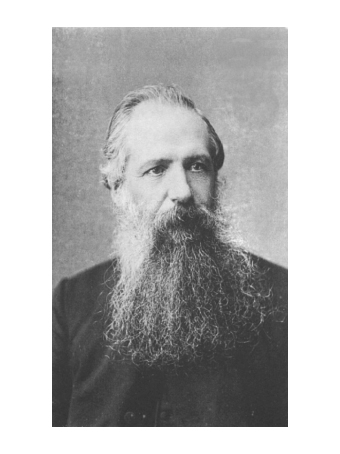
HENRY CLARKE, who died in Jamaica in 1907 aged 79, emigrated to the island in 1847 to take up a teaching post at Savanna La Mar. He left behind an extraordinary amount of personal writing including a six-volume diary covering the whole of his life. When the Jamaican House of Assembly was finally dissolved to make way for Crown government following the Morant Bay Rebellion in 1865, Henry wrote that it was an improvement for it delivered the local poor “out of the hands of that slavery-loving oligarchy which for 200 years has so mightily oppressed them”.
Read more
by Derek Bishton | 27th July 2019 | August
17 August 1983
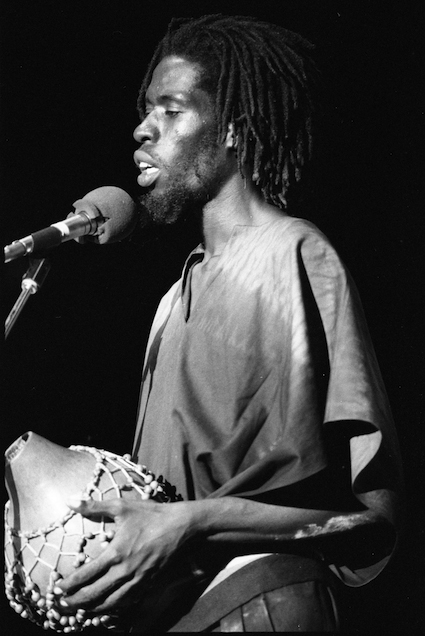
MIKEY SMITH’s brutal murder on 17 August, 1983 robbed Jamaica of one of its most visionary and talented poets. His album Mi Cyaan Believe It is a classic, and in my opinion, one of the greatest reggae-dub poetry albums ever made.
Read more

by Derek Bishton | 27th July 2019 | September
18 September 2015
ANTHONY WINKLER, who died on 18 September 2015, is best known for his outrageously funny novel The Lunatic which was published in 1987 and subsequently made into a very successful film four years later. The Lunatic combines elements of magic realism, a wonderful, felicitous use of language that effortlessly blends standard English with Jamaican patois and an almost surreal, absurdist sense of humour to expose some of the dangerous social ills that afflict Jamaica.
Read more
by Derek Bishton | 24th July 2019 | August
07 August 1981
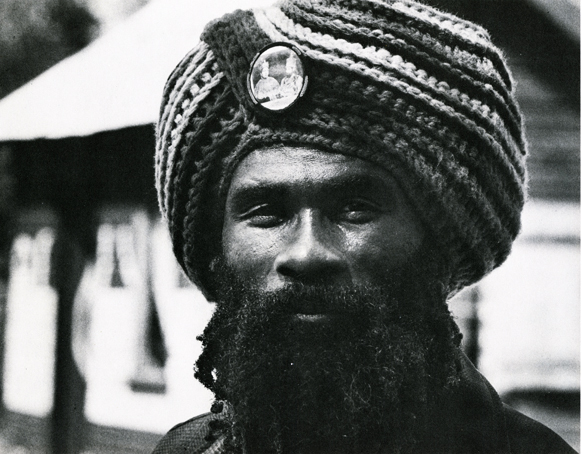
RAS HU-I was a celebrated Rasta doctor whose clinic was located near the D&G bottling plant in Reading, just outside Montego Bay. When Merrise and I were in Jamaica in 1981, we were staying only a mile or so from his clinic. I wanted to go to try to interview him, but, to be honest, I was getting a little worn down by the constant interrogation which accompanied my every interaction with Rastas. Also, I was still coming to terms with the idea that I was a Backra man. Merrise occasionally suffered from migraine so I suggested that she might go and interview Ras Hu-I about his natural remedies. So she did. The quotes which follow are from the tape she brought back that day.
Read more

by Derek Bishton | 24th April 2019 | July
14 July 2013
IN 2013, more than 30 years after my first visit, I returned to spend time with the Rasta community in Shashemene, Ethiopia to work with Italian filmmaker Giulia Amati. As part of the project I created a pop-up exhibition of 70 photographs I had taken in 1981. This report is from my diary of that day.
Read more
by Derek Bishton | 11th July 2019 | July
20 July 1822
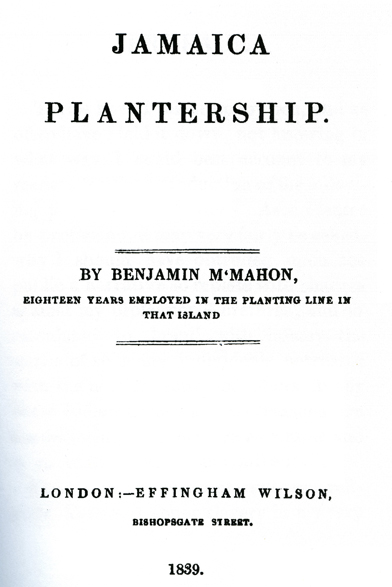
BENJAMIN McMAHON spent 18 years working as a bookkeeper and overseer on Jamaican sugar estates before leaving the island in 1837. He was employed on 24 different estates and his autobiography, published in London in 1839, recounts a litany of cruel and inhuman treatments meted out to enslaved people. Here he recounts his experiences on Crawle Estate and Harmony Hall.
Read more

by Derek Bishton | 11th July 2019 | July
23 July 1983
THIS IS an account of the interview I conducted with Father Joseph Hibbert, one of the first people to proclaim the divinity of Haile Selassie and a key figure in the early development of Rastafari in Jamaica in the 1930s.
Read more

by Derek Bishton | 10th July 2019 | July
23-25 July 1900
PAN-AFRICANIST ideals emerged in the late nineteenth century in response to European colonization and exploitation of the African continent. Pan-Africanist philosophy held that slavery and colonialism depended on and encouraged negative, unfounded categorizations of the race, culture, and values of African people. These destructive beliefs in turn gave birth to intensified forms of racism, the likes of which Pan-Africanism sought to eliminate. The first conference was held in London in Westminster Town Hall (now Caxton Hall) and was attended by 37 delegates and 10 observers.
Read more

by Derek Bishton | 10th July 2019 | September
13 September 2014
IVAN COORE, who died on September 7, 2019, came from one of Jamaica’s elite families. His father David Coore was a lawyer who helped draft the Jamaica Constitution in 1961 and later served as Michael Manley’s deputy in the People’s National Party Government of the 1970s. His younger brother Steven ‘Cat’ Coore is a founder member of the legendary Third World reggae band. Ivan became a Rasta in the early 1970s while still at school and in 1973, at the age of 19, accompanied Vernon Carrington – Brother Gad, founder of the 12 Tribes of Israel Rasta mansion – on a fact-finding visit to Ethiopia. He subsequently decided to stay and study at the University in Addis Ababa. The following is a transcript of Ivan talking about the turbulent times he lived through in Ethiopia following the overthrow of HIM Haile Selassie, recorded while we were driving around Trench Town, Jamaica, in 2014.
Read more

by Derek Bishton | 10th July 2019 | September
16 September 1796
ALMOST a year into his journey, Park arrives in the town of Kamalia in a terrible state. Ravaged by fever, weak from hunger and with his clothes in rags, he is near death. He is received by a Muslim slave trader called Karfa Taura who offers him food and accommodation in return for the future payment of one slave.
Read more
by Derek Bishton | 24th April 2019 | September
17 September 1964
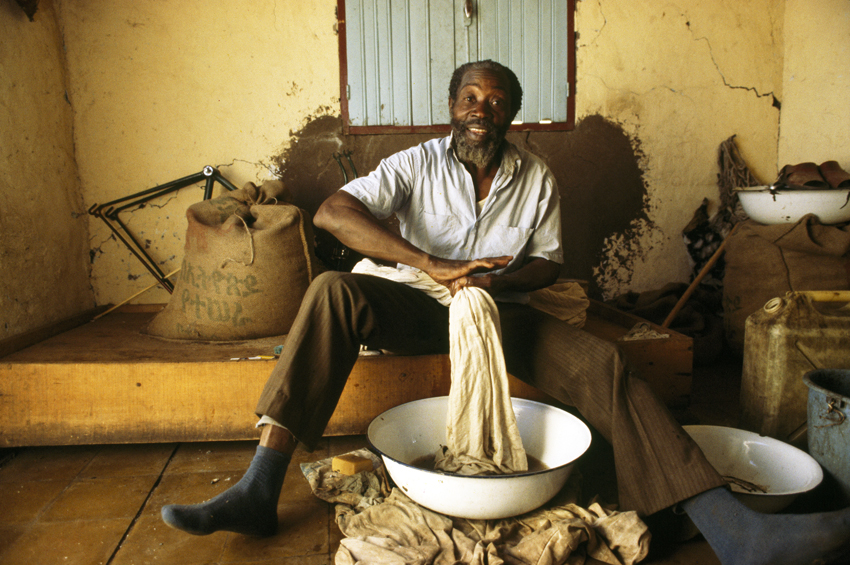
I MET Noel Dyer during my stay in Ethiopia in 1981. One evening, early in February, we sat down in his modestly furnished front room, with just a small oil lamp for light. He scrabbled around in the drawer of his desk, scooped together the last remains of his supply of ganja, built a spliff and started on his tale.
Read more
by Derek Bishton | 24th April 2019 | August
18 August 1921
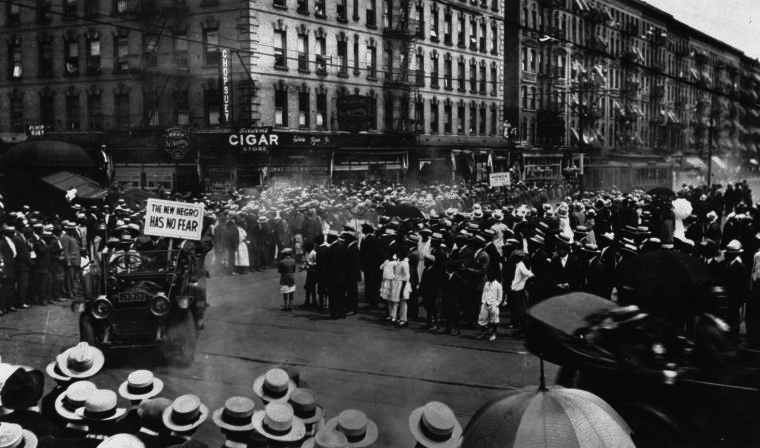
“THE GREAT problem of the Negro for the last 500 years,” Marcus Garvey observes in this rousing speech, “has been that of disunity. No one or no organization ever succeeded in uniting the Negro race. But within the last four years, the Universal Negro Improvement Association has worked wonders. It is bringing together in one fold four million organized Negroes who are scattered in all parts of the world.”
Read more